
Can Botox Help With TMJ Pain and Jaw Tension? A Reston, VA Guide to Relief Beyond Wrinkle Reduction
Updated June 2026
If you associate Botox only with smoothing forehead lines and softening crow's feet, you're not alone. However, many people are surprised to learn that Botox is also being used to help manage symptoms related to TMJ disorders and chronic jaw tension.
For residents in Reston, VA, persistent jaw pain, headaches, teeth grinding, and facial tension can interfere with daily life, sleep quality, and overall comfort. While traditional treatments such as mouthguards and physical therapy remain important options, Botox has emerged as a valuable tool for certain patients struggling with overactive jaw muscles.
So, can Botox actually help TMJ pain and jaw tension? The answer is often yes, but understanding how it works and who may benefit is essential.
Understanding TMJ Disorders and Jaw Tension
The temporomandibular joints (TMJs) connect your lower jaw to your skull. These joints allow you to speak, chew, yawn, and move your jaw smoothly throughout the day.
When these joints or the surrounding muscles become strained, inflamed, or overworked, symptoms can develop, including:
- Jaw pain or soreness
- Clicking or popping sounds
- Difficulty chewing
- Facial pain
- Frequent headaches
- Neck tension
- Ear discomfort
- Teeth grinding (bruxism)
- Jaw locking
TMJ disorders can develop for many reasons, including stress, teeth clenching, injury, arthritis, and muscle overactivity.
For many patients, the primary culprit is not the joint itself but the powerful muscles surrounding it.
How Botox Works for Jaw Tension
Botox works by temporarily reducing muscle activity. When strategically injected into specific jaw muscles, it can help decrease excessive contraction and tension.
The most commonly treated muscle is the masseter muscle, which sits along the side of the jaw and is responsible for chewing.
What Happens After Treatment?
When Botox relaxes the masseter muscles:
- Jaw clenching may decrease
- Teeth grinding may become less intense
- Muscle-related facial pain can improve
- Tension headaches may occur less frequently
- Pressure on the TMJ can be reduced
The goal is not to eliminate normal jaw function. Instead, the treatment helps calm muscles that are working harder than necessary.
Signs You May Be a Candidate for Botox
Not everyone with TMJ symptoms is an ideal candidate. However, Botox may be worth discussing if you experience:
Chronic Teeth Grinding
Many people clench or grind their teeth while sleeping without realizing it. Over time, this constant activity can cause significant muscle fatigue and jaw discomfort.
Morning Jaw Pain
If you frequently wake up with a sore jaw, headaches, or facial tension, overactive jaw muscles may be contributing to your symptoms.
Enlarged Jaw Muscles
Years of clenching can cause the masseter muscles to become enlarged. Some patients notice a wider or more square facial appearance along with discomfort.
Persistent Tension Headaches
Muscle strain in the jaw can often radiate into the temples, neck, and head.
Limited Improvement From Other Treatments
Patients who have tried mouthguards, lifestyle modifications, stress reduction techniques, or physical therapy without adequate relief may explore Botox as part of a broader treatment strategy.
What to Expect During Treatment
One reason Botox has become increasingly popular for TMJ-related concerns is that treatment is relatively quick.
Consultation
A qualified provider evaluates:
- Your symptoms
- Medical history
- Jaw function
- Muscle activity
- Facial anatomy
This helps determine whether muscle tension is contributing to your discomfort.
The Procedure
The treatment itself typically takes less than 30 minutes.
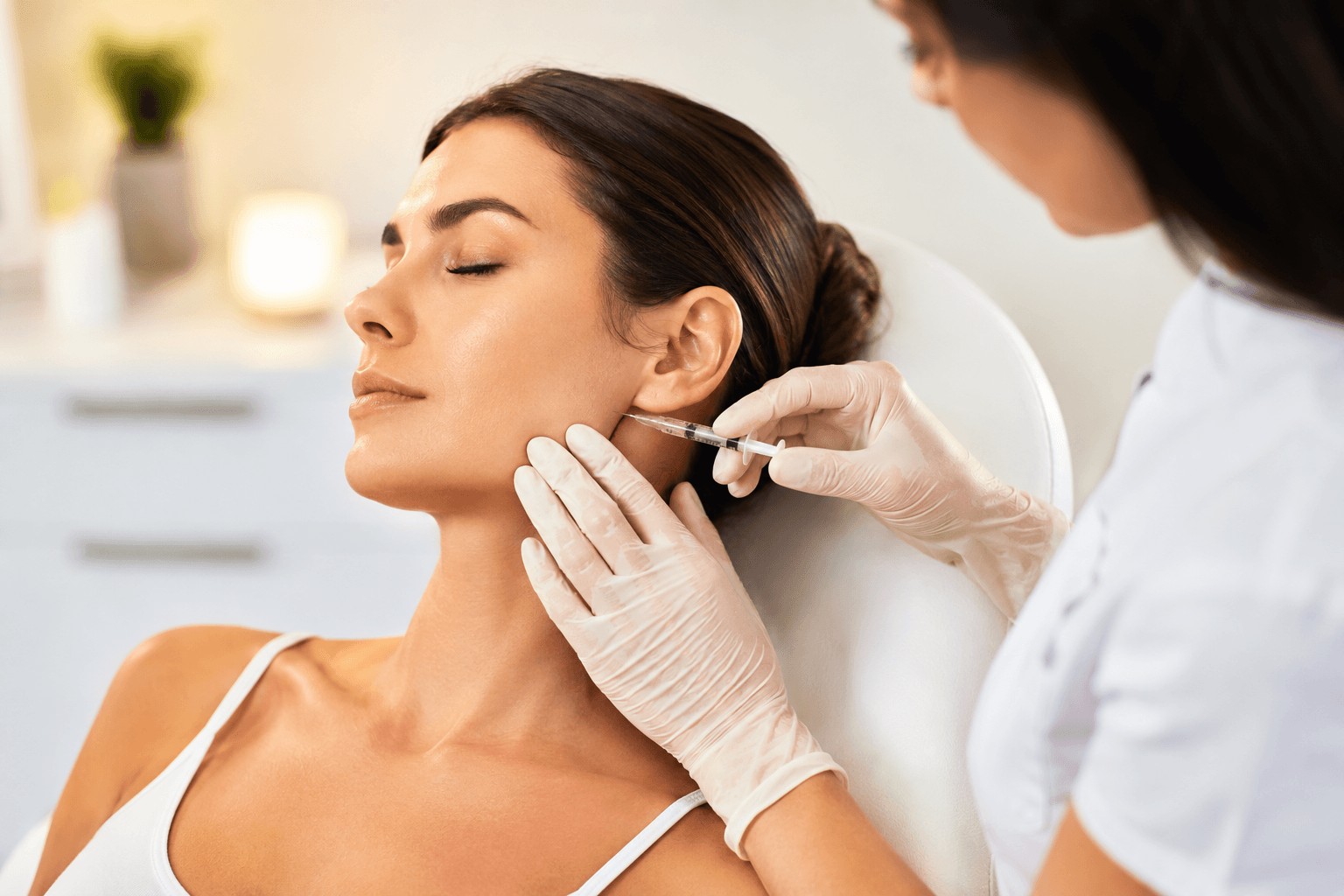
Using a very fine needle, Botox is injected into targeted muscles, most commonly the masseters and occasionally additional muscles involved in clenching.
Most patients describe the treatment as highly tolerable with minimal discomfort.
Recovery
There is little to no downtime.
Patients can generally return to work, errands, and most normal activities immediately following treatment.
How Long Does It Take to Notice Results?
Results do not appear instantly.
Many patients begin noticing improvement within one to two weeks as the targeted muscles gradually relax.
Maximum benefits are often experienced around four to six weeks after treatment.
Results typically last approximately three to four months, although individual experiences vary.
An Added Cosmetic Benefit
Interestingly, some patients seeking relief from jaw tension notice an unexpected aesthetic improvement.
When enlarged masseter muscles relax over time, the lower face may appear slimmer and more contoured.
This effect has made masseter Botox increasingly popular in both medical aesthetics and facial balancing treatments.
While the primary goal for TMJ patients is symptom relief, facial contouring can be a welcome secondary benefit.
How Botox Fits Into a Comprehensive Treatment Plan
Botox is not necessarily a standalone solution.
Depending on the underlying cause of your symptoms, your provider may recommend combining treatment with:
- Custom night guards
- Stress management techniques
- Physical therapy
- Dental evaluations
- Jaw exercises
- Sleep habit improvements
A comprehensive approach often produces the best long-term outcomes.
When Botox May Not Be the Right Solution
While Botox can be highly effective for muscle-related jaw tension, it may not address every TMJ condition.
Patients with significant joint damage, severe arthritis, structural abnormalities, or certain dental issues may require additional evaluation and treatment.
This is why a professional assessment is critical before beginning therapy.
Choosing a Qualified Provider in Reston, VA
When researching a local Medspa, Aesthetic Clinic, or provider specializing in Medical Aesthetics, consider:
- Experience treating TMJ-related concerns
- Advanced injector training
- Comprehensive consultation process
- Personalized treatment plans
- Knowledge of facial muscle anatomy
A thorough evaluation helps ensure both safety and effectiveness.
Other Popular Medical Aesthetic Treatments
Many patients who visit a modern Medspa for Botox also explore other services designed to support their aesthetic and wellness goals.
Depending on the provider, treatment options may include:
Fillers
Fillers can help restore volume loss, enhance facial contours, and improve under-eye hollows or sunken cheeks.
Microneedling
Microneedling stimulates collagen production and may help improve acne scars, fine lines, and overall skin texture.
Hair Restoration
Patients experiencing thinning hair often explore Hair Restoration treatments to support scalp health and encourage stronger hair growth.
IV Therapy
IV Therapy may be used to support hydration, recovery, and overall wellness goals.
Medical Weight Loss
Many individuals struggling with metabolic changes, stubborn weight gain, or age-related body composition shifts investigate professionally guided Medical Weight Loss programs.
Why More Reston Residents Are Exploring Botox for Jaw Pain
Stress levels continue to rise for many working professionals, and jaw clenching has become increasingly common.
People often spend years treating headaches, neck pain, and facial discomfort without realizing their jaw muscles may be contributing to the problem.
For appropriate candidates, the treatment can provide meaningful relief while fitting easily into a busy schedule.
A Smoother Path to a More Comfortable Jaw
Living with chronic jaw tension, teeth grinding, and TMJ discomfort can be exhausting. If muscle overactivity is contributing to your symptoms, Botox may offer a practical solution that extends beyond cosmetic benefits.
The key is obtaining a proper evaluation from an experienced provider who understands both facial anatomy and TMJ-related concerns. With the right treatment plan, many patients find themselves enjoying fewer headaches, less jaw pain, improved comfort, and a better quality of life.
If you're exploring options for TMJ relief in Reston, VA, learning whether Botox is an appropriate choice could be the first step toward finally giving your jaw a break.
Frequently Asked Questions
Can Botox really help TMJ pain?
Yes. Botox can help reduce muscle-related TMJ symptoms by relaxing overactive jaw muscles. Many patients report improvements in jaw tension, clenching, headaches, and facial discomfort.
How long do Botox results for TMJ last?
Most patients experience results for approximately three to four months. Maintenance treatments may be recommended depending on symptom severity and individual response.
Does Botox stop teeth grinding completely?
Botox often reduces the intensity of teeth grinding and jaw clenching, but it may not eliminate these habits entirely. Many patients notice significant improvement in symptoms and muscle tension.
Is Botox for TMJ different from cosmetic Botox?
The medication itself is the same. The difference lies in the injection locations and treatment goals. TMJ treatment focuses on relaxing specific jaw muscles rather than addressing facial wrinkles.
Can Botox slim my jawline while treating TMJ symptoms?
In some cases, yes. Patients with enlarged masseter muscles may notice a softer, more contoured lower face as the muscles gradually decrease in size following treatment.
What other treatments are commonly paired with Botox?
Many patients combine Botox with services such as Microneedling, Fillers, Hair Restoration, IV Therapy, or wellness-focused Medical Weight Loss programs as part of a broader approach to health, confidence, and Medical Aesthetics.