


Why Your Face Might Look Flatter Than It Used To, Even If You Haven't Lost Weight
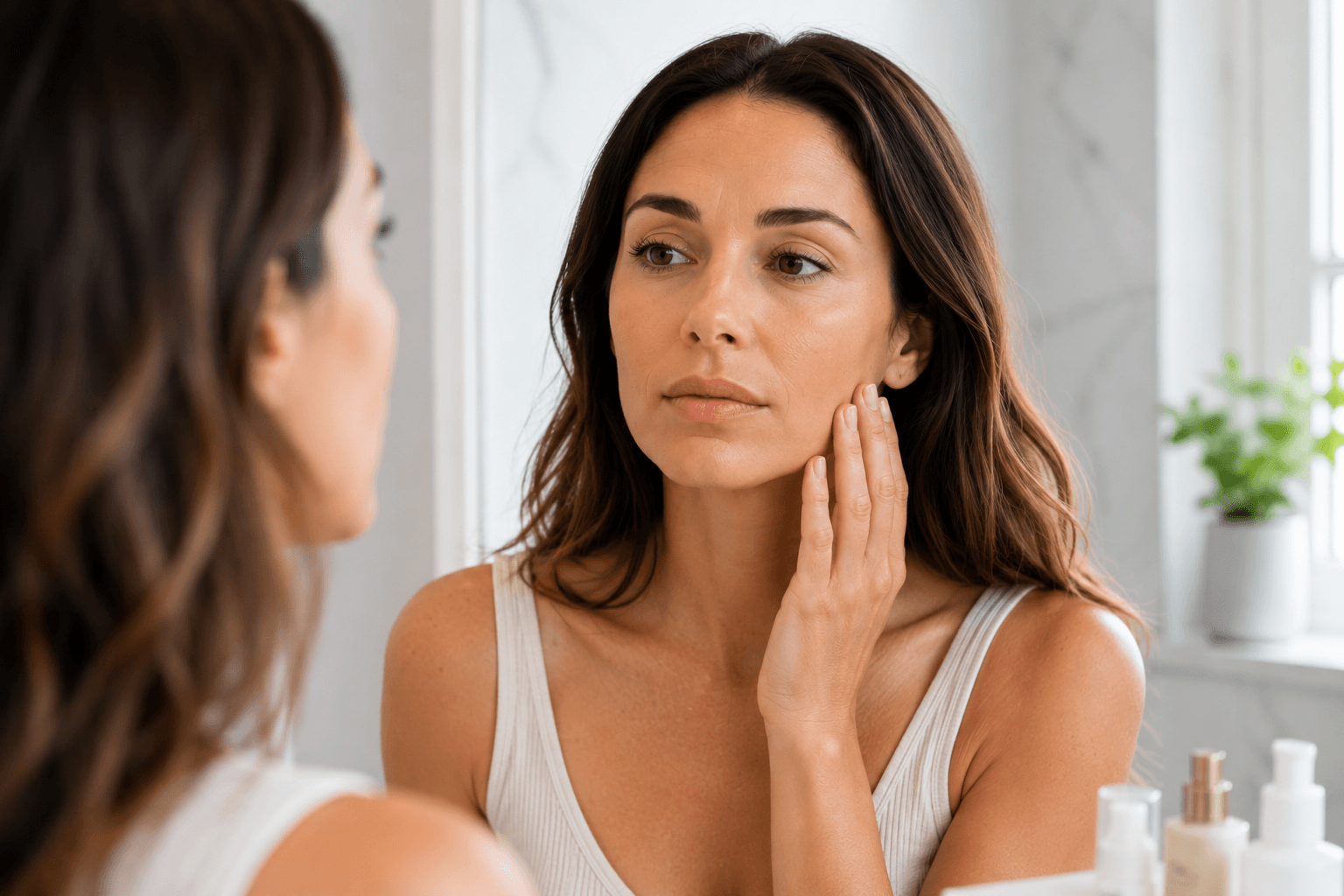
It is one of the more confusing changes that comes with getting older. Your weight has not changed, your skincare routine has not changed, but somehow your face looks a little flatter, a little more tired, maybe a bit more hollow around the cheeks or under the eyes. If that sounds familiar, you are not imagining it, and you are also not alone. This is one of the most common concerns clients bring to us at Aesthetic Chemistry, and it has a clear underlying cause.
The answer usually comes down to volume loss, and one of the most effective, well-studied ways to address it is with dermal fillers. Below, we break down why this happens, what it actually looks like, and how a thoughtful filler plan restores a more rested, natural appearance without looking overdone.
What Causes the Face to Lose Volume Over Time?
Facial aging is often described in terms of wrinkles and sagging, but volume loss is arguably the bigger story, and it starts earlier than most people expect.
Why Does Facial Fat Change as We Age?
The face contains distinct fat compartments that provide structure and support, much like padding beneath the skin. Starting in our thirties, these compartments begin to shrink and shift downward. This is different from overall body fat loss, since it can happen regardless of your weight or fitness level.
Does Bone Loss Play a Role Too?
Yes. Facial bone density, particularly around the cheeks, brow, and jaw, gradually decreases with age. As the underlying bony support diminishes, the skin and soft tissue above it lose their scaffolding, which contributes to a flatter, more hollowed appearance over time.
Why Do Under-Eye Hollows Appear Even in People Who Sleep Well?
Under-eye hollowing is frequently caused by volume loss in the midface rather than fatigue alone. As cheek volume descends and diminishes, the transition between the lower eyelid and cheek becomes more visible, creating shadows that can make even well-rested people look tired.
How Do Dermal Fillers Address Volume Loss?
Dermal fillers are gel-based treatments, most commonly made from hyaluronic acid, a substance your body already produces naturally. They are designed to restore lost volume, support sagging tissue, and smooth the transitions that volume loss disrupts.
Which Areas Benefit Most From Filler?
The cheeks are one of the most transformative areas to treat, since restoring midface volume can lift the entire lower face and soften nasolabial folds at the same time. Our article on how dermal fillers restore facial volume and smooth wrinkles goes into more detail on this process.
Can Fillers Help With Thin or Uneven Lips?
Yes. Lip filler is one of the most requested treatments we offer, both for adding subtle volume and for correcting asymmetry between the upper and lower lip. We cover this along with cheek and jawline enhancement in our guide to dermal fillers for lips, cheeks, and jawline enhancement.
What About Jawline Definition?
Filler placed strategically along the jawline can restore definition that has softened with age or add contour for clients who never had a strong jawline to begin with, all without surgery.
Can Filler Correct Asymmetry, Not Just Volume Loss?
Absolutely. Many clients come to us not because of aging specifically, but because they have always had subtle facial asymmetry they would like to soften. Our detailed guide on whether fillers can correct facial asymmetry walks through exactly how that process works.
How Do You Know If You Need Filler or Something Else?
Not every concern is a filler concern, and an experienced provider should be honest with you about that.
Filler or Neurotoxin, What Is the Difference?
This is one of the most common points of confusion for new clients. Neurotoxins address movement-related lines caused by muscle activity, while fillers address volume loss and structural support. Many clients benefit from both, and our breakdown of neurotoxins versus dermal fillers explains when each one makes sense.
What If My Filler Doesn't Look Right Anymore?
Filler placed years ago, or filler that has migrated or aged unevenly, can sometimes be corrected or reversed. We explain the signs to watch for in our article on how to know if lip filler needs dissolving, and our filler dissolving service is available for clients who need a reset before starting fresh.
Is There a Lighter-Touch Filler Option?
For clients who want subtle hydration and a natural glow rather than significant volume change, SkinVive by Juvederm offers a gentler alternative that improves skin quality with minimal visible change.
What Should You Expect During Treatment and Recovery?
Filler appointments typically take under an hour, and most clients return to normal activities the same day. Some swelling and mild bruising are common in the first few days, with final results visible after about two weeks once any swelling resolves.
How Long Do Results Actually Last?
Depending on the product and treatment area, results typically last between six months and two years. Areas with more movement, like the lips, tend to metabolize filler faster than areas like the cheeks.
What Can You Do to Make Your Results Last Longer?
Sun protection is one of the simplest and most effective ways to protect your investment, since UV exposure accelerates the breakdown of both your natural collagen and the filler itself. Staying hydrated, avoiding excessive alcohol in the days surrounding treatment, and maintaining a consistent skincare routine that supports skin quality can all help your results look their best for as long as possible.
How Do You Choose the Right Provider for Dermal Fillers?
Because filler placement requires a detailed understanding of facial anatomy, choosing an experienced, medically trained provider matters just as much as choosing the right product. Look for a provider who takes time to understand your goals, explains their recommended approach before treating you, and is transparent about what results to expect. A rushed consultation or a one-size-fits-all treatment plan is often a sign to look elsewhere.
Frequently Asked Questions
At what age should someone consider dermal fillers? There is no single right age. Many clients start in their late twenties or thirties for prevention and subtle enhancement, while others wait until their forties or fifties to address more noticeable volume loss.
Do dermal fillers look natural? When placed conservatively by an experienced provider, yes. The goal at Aesthetic Chemistry is always a refreshed, natural result rather than an obviously "done" appearance.
Is filler painful? Most fillers used today contain a numbing agent, and topical numbing cream is also available, which keeps discomfort minimal for most clients.
Can dermal fillers be reversed if I don't like the result? Yes, hyaluronic acid fillers can be dissolved with hyaluronidase, giving clients a safety net that many other treatments do not offer.
How do I know which areas need filler most? A consultation with one of our providers, including Alissa Mattis or Rachael, BSN, RN, will identify exactly where volume loss is most affecting your appearance and build a plan around it.
Ready to Fill In the Gaps?
Volume loss is a quiet process, which is part of why it can feel so jarring once you notice it. The encouraging part is that it is also one of the most correctable signs of aging, with results that look natural rather than obvious when the plan is built around your unique face.
This article was updated in August 2026 to reflect current filler options and pricing at Aesthetic Chemistry. Visit our dermal fillers service page or reach out to our Reston, Virginia team to schedule your consultation.