
What Really Happens During a Professional Skin Consultation?
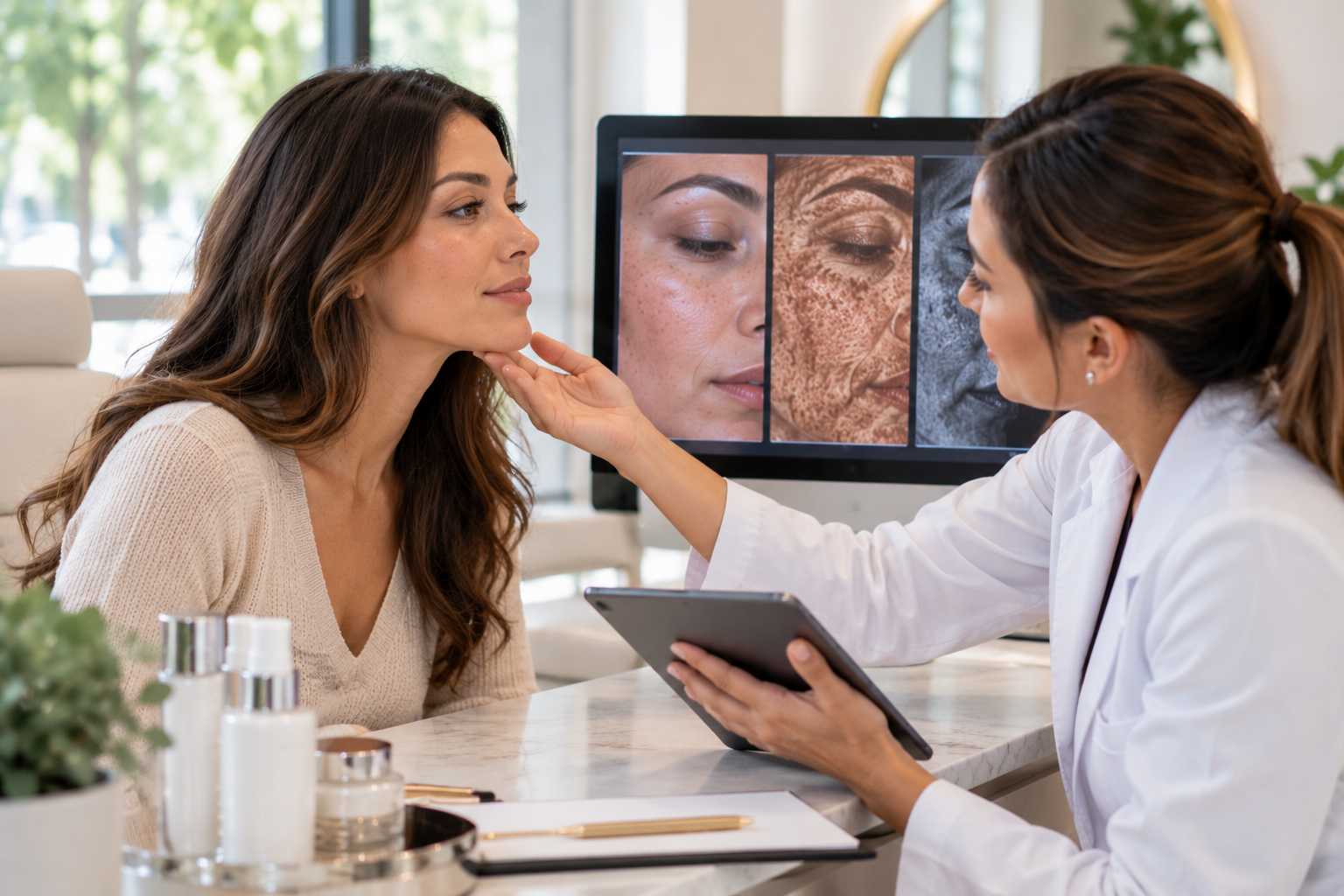
Booking your first appointment at a medspa can feel a little intimidating, especially if you are not sure what to expect or you are worried about being pushed into treatments you did not ask for. The truth is that a proper skin consultation should feel more like a conversation than a sales pitch. It is the step where a provider actually gets to know your skin, your history, and your goals before recommending anything at all.
At Aesthetic Chemistry Medspa in Reston, Virginia, the consultation is treated as the most important part of the entire treatment process, not a formality to get through before booking a service. This article walks through what actually happens during a skin consultation, why it matters so much, and how to get the most out of yours.
Why Does a Skin Consultation Matter So Much?
Skin is not one-size-fits-all, and neither are the treatments used to improve it. Two people with what looks like the same concern, say, uneven texture or fine lines, might need completely different approaches depending on their skin type, medical history, lifestyle, and long-term goals. A consultation is what allows a provider to build a treatment plan around your actual skin rather than guessing based on a quick glance or a list of services you found online.
What Questions Should You Expect to Be Asked?
A thorough consultation typically covers more than just your visible skin concerns. Expect questions about your skincare routine, any previous treatments or procedures you have had, medications or supplements you are taking, relevant medical history, sun exposure habits, and what specifically prompted you to book the appointment. This information helps your provider understand not just what your skin looks like, but why it looks that way.
Will My Skin Actually Be Examined?
Yes. Most consultations include a visual assessment of your skin in both a resting and animated state, meaning your provider will look at your skin while it is still and while you make natural expressions like smiling or raising your eyebrows. This helps identify the difference between concerns caused by muscle movement versus those caused by volume loss or texture changes, which directly affects which treatments would actually help.
What Skin Concerns Are Commonly Addressed During a Consultation?
Nearly every skin concern benefits from being evaluated in person rather than diagnosed based on a photo or a general description. Some of the most common concerns patients bring up include fine lines and wrinkles, uneven tone or dark spots, loss of facial volume, texture and pore concerns, redness or sensitivity, and general dullness or fatigue in the skin.
How Does a Provider Decide Which Treatment to Recommend?
This comes down to matching the root cause of a concern with the treatment designed to address it. For example, expression lines caused by repeated muscle movement typically respond best to neurotoxin injections, while volume loss in the cheeks or under the eyes is more effectively addressed with dermal fillers. Texture, tone, and overall skin quality concerns might point toward treatments like HydraFacial or the SkinPen Precision System, while more significant signs of aging involving both texture and laxity may call for something like Morpheus8. A good consultation walks through this reasoning with you rather than simply naming a treatment.
What if I'm Not Sure What I Want, I Just Know Something Feels Off?
This is actually one of the most common ways people arrive at a consultation, and it is completely fine. Part of a provider's job is helping you put language to what you are noticing, whether that is fatigue in your appearance, uneven tone, or a general sense that your skin does not look the way it used to. You do not need to walk in with a specific treatment in mind.
Is a Skin Consultation Different From a Regular Facial Appointment?
Yes. A consultation is primarily a conversation and assessment focused on understanding your skin and goals, whereas a facial or treatment appointment involves actually performing a service. Many patients choose to have a consultation first, then schedule their treatment for a separate visit once they have had time to consider their options, though same-day treatment is often available for certain services once a plan is established.
Will I Be Pressured to Book Treatment on the Spot?
A trustworthy provider will present your options clearly and answer your questions honestly, without pressuring you into an immediate decision. It is reasonable, and encouraged, to take time to think through a recommended treatment plan before committing, especially for anything involving injectables or more advanced procedures.
How Should I Prepare for My Consultation?
It helps to come with a general sense of what has been bothering you about your skin, even if you cannot name the exact cause. Bringing a list of current medications, any known allergies, and information about recent treatments elsewhere also helps your provider give you the safest, most accurate recommendations. Avoiding excessive sun exposure in the days beforehand can also give your provider a clearer picture of your skin's baseline condition.
What Happens After the Consultation?
Once your provider has a full picture of your skin and goals, you will typically walk away with a recommended treatment plan, which may include a single service or a combination of treatments spaced out over time. Pricing, expected results, and realistic timelines should all be part of this discussion. You can review general pricing information ahead of time, and many patients also explore our membership and rewards program or available payment plans to help plan for ongoing treatment.
Can a Consultation Help if I've Had a Bad Experience Elsewhere?
Absolutely, and this comes up more often than you might think. If a previous treatment did not turn out the way you hoped, whether that involves filler that looks uneven or results that faded faster than expected, a consultation is the place to talk through what happened and explore options, including services like filler dissolving with hyaluronidase if a correction is needed.
Ready to Book Your Skin Consultation?
If you have been curious about improving your skin but were not sure where to start, a consultation is the ideal first step. The team at Aesthetic Chemistry Medspa in Reston, Virginia takes the time to understand your skin, answer your questions honestly, and build a plan that actually fits your goals and your budget.
This overview has been updated this September to reflect our current consultation process at our Reston practice.
Consider This Your Starting Point, Not a Commitment
A good skin consultation should leave you feeling informed, not overwhelmed or pressured. It is your opportunity to ask questions, understand your options, and walk away with a clear, personalized plan, whether or not you decide to book treatment that same day. Learn more about our team or contact us to schedule your consultation today.
Frequently Asked Questions
How long does a skin consultation typically take? Most consultations take between thirty minutes to an hour, depending on how many concerns you would like to discuss and whether a treatment is performed the same day.
Is a skin consultation free? This varies by provider and by the specific services being discussed. It is best to confirm consultation details when booking your appointment.
Do I need a skin consultation before every new treatment? Generally yes, especially for injectables or more advanced procedures, since your skin and goals can change over time and each treatment requires its own safety and suitability assessment.
Can I get a skin consultation without committing to treatment? Yes, a consultation is meant to help you understand your options. You are never obligated to book a treatment as a result of the appointment.
What should I bring to my skin consultation? It helps to bring a list of current medications, any known allergies, and information about previous treatments so your provider can make the safest, most informed recommendations.