

What Causes Hyperpigmentation, and How Do You Actually Get Rid of It?
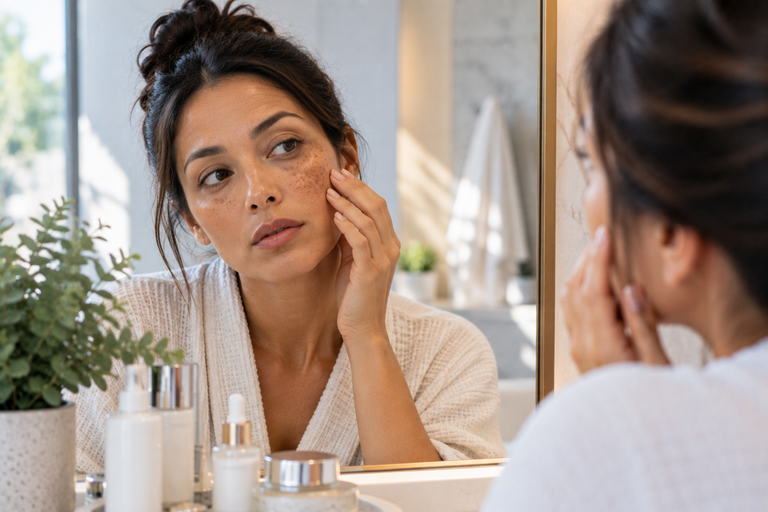
Dark spots, patches of discoloration, and an uneven skin tone are some of the most common concerns patients bring up during a skin consultation, and for good reason. Hyperpigmentation can show up almost anywhere on the face, it tends to worsen with sun exposure, and it rarely fades on its own without some kind of intervention. If you have been staring at a stubborn spot left over from an old breakout or noticed your skin tone becoming patchy over the years, understanding why it happens is the first step toward fixing it.
Hyperpigmentation is not one single condition. It is an umbrella term for several different types of discoloration, each with its own trigger and its own ideal treatment path. At Aesthetic Chemistry Medspa in Reston, Virginia, we help patients figure out exactly what type of pigmentation they are dealing with before recommending a treatment plan, because guessing rarely leads to good results.
What Exactly Is Hyperpigmentation?
Hyperpigmentation occurs when certain areas of skin produce more melanin than the surrounding tissue, resulting in spots or patches that appear darker than your natural skin tone. It can affect any skin type, though it tends to be more common and more stubborn in medium to deeper skin tones.
What Are the Different Types of Hyperpigmentation?
There are three main categories that dermatologists typically identify.
Sunspots, also called solar lentigines, develop from years of cumulative UV exposure and usually appear on the face, hands, and chest.
Melasma is a more complex form of pigmentation often linked to hormonal changes, commonly appearing as larger, symmetrical patches on the cheeks, forehead, and upper lip.
Post-inflammatory hyperpigmentation develops after the skin experiences trauma or inflammation, such as acne, cuts, or even aggressive extractions, leaving behind a dark mark once the original issue has healed.
What Causes These Dark Spots to Form?
The underlying cause almost always comes down to melanin production going into overdrive. According to the American Academy of Dermatology, ultraviolet light is one of the most significant triggers, since UV exposure stimulates melanocytes, the cells responsible for producing pigment. Hormonal shifts, certain medications, and skin inflammation can trigger the same response, which is why hyperpigmentation is so common across such a wide range of ages and skin types.
Does Acne Make Hyperpigmentation Worse?
Yes, and this is one of the most frequent patterns we see. When a breakout heals, it often leaves behind a flat, discolored mark rather than a raised scar. Picking or squeezing blemishes tends to make this worse, since it increases inflammation in the area and prompts even more melanin production during healing.
How Do You Know If Your Discoloration Needs Professional Treatment?
Some mild sun spots or faded acne marks may improve gradually with a strong skincare routine and consistent sun protection. But if you have patches that have lasted more than a few months, seem to be getting darker rather than lighter, or cover a larger area of your face, that is usually a sign that professional treatment will get you results faster and more reliably than over-the-counter products alone.
Can Hyperpigmentation Be Prevented?
Prevention plays a bigger role here than with almost any other skin concern. Daily broad spectrum SPF is the single most effective way to prevent new pigmentation from forming and to keep existing spots from getting darker. Antioxidant serums, particularly those containing vitamin C, can also help protect skin from the oxidative stress that contributes to pigment production.
What Are the Most Effective Treatments for Hyperpigmentation?
Because hyperpigmentation has multiple causes, the most effective treatment plans usually combine in-office procedures with a supportive at-home routine.
How Does IPL Treat Sun Spots and Uneven Tone?
Lumecca IPL uses intense pulsed light to target excess pigment beneath the skin's surface, breaking it down so the body can naturally clear it away. This treatment is particularly effective for sunspots and general redness, and many patients notice visibly clearer, more even toned skin after just one or two sessions.
Can Chemical Peels Improve Discoloration?
The Perfect Derma Peel is designed to accelerate cell turnover, helping to fade existing pigmentation while improving overall skin texture and tone. Peels work especially well for post-inflammatory marks and surface level discoloration.
Does Microneedling Help With Hyperpigmentation?
The SkinPen Precision System creates controlled micro-injuries that trigger the skin's natural healing response, which can help break up pigmented cells and encourage the growth of fresh, more evenly toned skin. It is often paired with exosome therapy through our SkinPen with Exosomes treatment for enhanced results.
What Role Does a Custom Facial or At-Home Routine Play?
Consistent professional facials, like our AC Custom Facial, combined with physician-grade skincare from our Obagi retinol and Obagi serum lines, can meaningfully support in-office treatments by keeping pigment production in check between visits.
Is Hyperpigmentation Treatment Different for Melasma?
Melasma tends to be more resistant to treatment than sunspots or acne marks, partly because hormonal pigmentation can be triggered again by heat, sun exposure, or hormonal changes even after it initially improves. This is why melasma often requires a more conservative, gradual approach along with strict sun protection, rather than aggressive treatments that could trigger a flare. A proper skin consultation is especially important here to avoid treatments that could make melasma worse.
How Many Sessions Does It Typically Take to See Results?
This varies significantly depending on the type and depth of pigmentation, but most patients need a series of treatments rather than a single visit to see meaningful, lasting improvement. Your provider will typically map out a realistic timeline during your initial consultation based on what your skin actually needs.
Ready to Even Out Your Skin Tone?
If discoloration has been affecting your confidence or making you reach for heavier makeup than you would like, know that there are real, proven options available. Aesthetic Chemistry Medspa in Reston, Virginia offers a range of treatments that can be tailored to the exact type of hyperpigmentation you are dealing with.
This guide has been updated this September to reflect current treatment options available at our Reston location.
Spot the Problem, Skip the Guesswork
Uneven skin tone does not have to be something you just live with or cover up every morning. Once you understand what is actually causing your discoloration, treating it becomes a lot more straightforward. From IPL to peels to microneedling, Aesthetic Chemistry Medspa has the tools to help fade stubborn spots and restore a more even, radiant complexion. Explore our full range of services or reach out today to schedule your consultation.
Frequently Asked Questions
What is the fastest way to treat hyperpigmentation? IPL treatments like Lumecca tend to produce visible results the fastest for sun-related pigmentation, though melasma and deeper discoloration usually require a more gradual, multi-session approach.
Does hyperpigmentation ever go away completely? Some types, like mild sunspots or post-acne marks, can fade significantly or resolve with treatment. Melasma is more prone to recurrence and often requires ongoing maintenance and sun protection.
Can I treat hyperpigmentation at home? At-home skincare with ingredients like vitamin C and retinol can help support results and prevent new spots, but professional treatments are generally needed to meaningfully fade existing discoloration.
Is sunscreen really necessary if I already have dark spots? Yes, daily SPF is essential. Without it, existing pigmentation is likely to darken further and new spots can continue to form, undoing the progress from any treatment.
What is the difference between melasma and sun spots? Sun spots are typically small, well-defined spots caused by cumulative UV exposure, while melasma appears as larger, symmetrical patches often triggered by hormonal changes and is generally more resistant to treatment.