

Why Do I Have Under Eye Hollows and Can Fillers Fix Them?
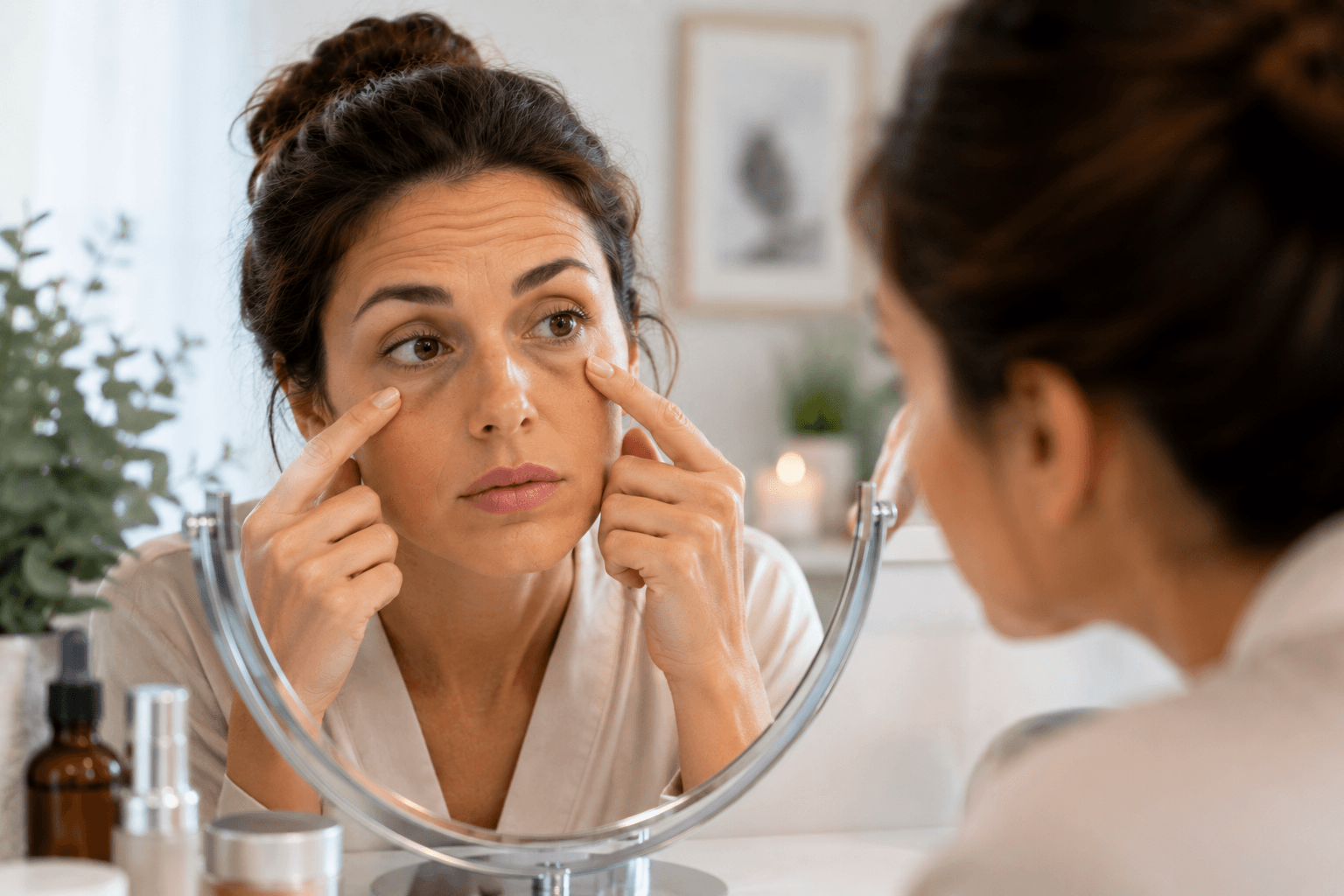
"You look tired" might be one of the most frustrating things to hear when you actually feel fine. It usually happens because of one specific area, the under eyes, where hollowing and shadowing can make even a well rested face look exhausted. If you have tried concealer, eye creams, and extra sleep with little to no change, the issue is likely structural rather than something a skincare routine can fully correct.
This is one of the most common concerns patients bring up during consultations, and it is exactly the kind of concern that dermal fillers are designed to address. Here is what is actually happening beneath the surface, and what your options look like.
What Actually Causes Under Eye Hollows?
Under eye hollowing, sometimes called tear trough deformity, happens for a combination of structural and lifestyle related reasons.
Natural Volume Loss With Age
The under eye area relies on a thin layer of fat and supportive tissue to keep skin looking smooth and even. As we age, this fat pad naturally diminishes and can shift position, creating a sunken, hollow appearance beneath the eyes. This is one of the most common causes of under eye hollowing, and it can begin appearing as early as the late twenties or early thirties depending on genetics.
Thin Under Eye Skin
The skin around the eyes is significantly thinner than skin anywhere else on the face, which makes underlying blood vessels and hollows more visible. This is part of why dark circles and hollowing often appear together, even in patients who are otherwise getting adequate rest.
Genetics and Bone Structure
Some patients are simply predisposed to more prominent under eye hollows due to the natural shape of the orbital bone or a thinner distribution of fat in that area from birth.
Lifestyle Factors
While hollowing itself is primarily structural, factors like dehydration, allergies, sun exposure, and chronic lack of sleep can make existing hollows appear more pronounced or add a puffiness that casts additional shadow beneath the eyes.
How Do You Know If It Is Hollowing Versus Just Fatigue?
This is one of the most common points of confusion. Genuine fatigue related puffiness usually improves with rest and tends to fluctuate day to day. Structural hollowing, on the other hand, tends to remain fairly consistent regardless of how much sleep you get, and often becomes more noticeable in certain lighting or when smiling, since cheek movement can accentuate the hollow area beneath the eyes.
If your under eye concerns have remained relatively unchanged for months or years despite good sleep habits, hydration, and skincare, hollowing rather than temporary fatigue is likely the primary cause.
Can Skincare Alone Fix Under Eye Hollows?
Topical products can improve skin texture, hydration, and mild discoloration, but they cannot restore lost volume. Because hollowing is a structural change beneath the skin, addressing it typically requires a treatment that can replace or stimulate that lost volume directly.
How Do Dermal Fillers Address Under Eye Hollows?
Dermal fillers are specifically designed to restore lost volume, which makes them one of the most effective options for correcting under eye hollowing. When placed carefully beneath the thin under eye skin, filler can smooth the transition between the lower eyelid and cheek, softening shadows and creating a noticeably more refreshed, rested appearance.
Because this is a particularly delicate area, precision matters enormously. Filler that is placed too superficially or in excessive volume can create a bluish discoloration known as the Tyndall effect, or an unnatural puffiness. This is why under eye filler should only be performed by an experienced, trained injector who understands the specific anatomy of this area.
What About PRP for the Under Eyes?
For patients looking for an alternative or complementary option, PRP under eye treatment uses your body's own platelet rich plasma to improve skin quality, texture, and mild volume in the under eye area. Some patients choose to combine PRP with filler for a more comprehensive improvement in both structure and skin quality.
What Should You Expect During Treatment?
A proper under eye filler consultation should include a detailed evaluation of your specific anatomy, since not every patient is an ideal candidate for this particular treatment. Your provider will assess your skin thickness, existing volume loss, and any puffiness or fat pad prominence that could affect results.
Treatment itself is typically quick, performed with a fine needle or cannula, and completed within a single appointment. Most patients experience mild swelling or slight bruising afterward, which generally resolves within a few days.
How Soon Will You See Results?
Initial results are visible almost immediately, though final results typically settle in over one to two weeks as any swelling resolves completely.
How Long Do Under Eye Filler Results Last?
Results in this area often last between nine months and a year, though this varies based on the specific product used and individual factors like metabolism and skin elasticity.
Is Under Eye Filler Right for Everyone?
Not necessarily. Patients with significant puffiness caused by prominent fat pads, rather than true volume loss, may not be ideal candidates for filler alone and could benefit more from a different approach. This is one of the many reasons a thorough, honest consultation matters so much before moving forward with treatment.
How Does This Fit Into a Broader Facial Balancing Approach?
Under eye hollows rarely exist in isolation. Many patients who address this concern also notice improvement when volume is restored in the cheeks, since cheek volume loss can worsen the appearance of under eye hollowing by removing support from below. This is part of why providers often recommend evaluating the mid face as a whole, an approach commonly referred to as facial balancing, rather than focusing exclusively on one small area.
Why Reston Patients Trust Aesthetic Chemistry for Under Eye Filler
Because the under eye area is one of the most technically demanding regions of the face to treat, experience and precision are non negotiable. At Aesthetic Chemistry, treatments are performed under the oversight of board certified plastic surgeon Dr. Navin Singh, ensuring a conservative, anatomy focused approach designed to enhance your natural appearance rather than overcorrect it.
Patients throughout Reston, Virginia consistently choose Aesthetic Chemistry for this treatment specifically because of that attention to detail and safety.
Frequently Asked Questions
Are under eye hollows caused by lack of sleep? Not usually. While fatigue can make hollows appear more noticeable, most under eye hollowing is caused by structural volume loss rather than sleep alone.
Can dermal fillers fix dark circles under the eyes? Filler can significantly improve the shadowing that contributes to the appearance of dark circles by restoring lost volume, though it does not change skin pigmentation itself.
Is under eye filler painful? Most patients tolerate the treatment well with topical numbing applied beforehand. Discomfort is generally minimal and brief.
How long does under eye filler last? Results commonly last nine months to a year, depending on the product used and individual factors.
What if I am not a good candidate for under eye filler? Your provider may recommend an alternative approach, such as PRP under eye treatment or addressing cheek volume first, depending on your specific anatomy and goals.
Updated August 2026
To find out if dermal fillers are right for your under eye concerns, schedule a consultation with Aesthetic Chemistry Medspa or explore our full range of injectable treatments.
A Not So Tired Conclusion
Looking tired when you are not is one of the more frustrating things your face can do to you. The good news is that once you understand what is actually causing it, the fix is often far more straightforward than years of concealer ever were.