

When Should You Start Botox for Early Signs of Aging?
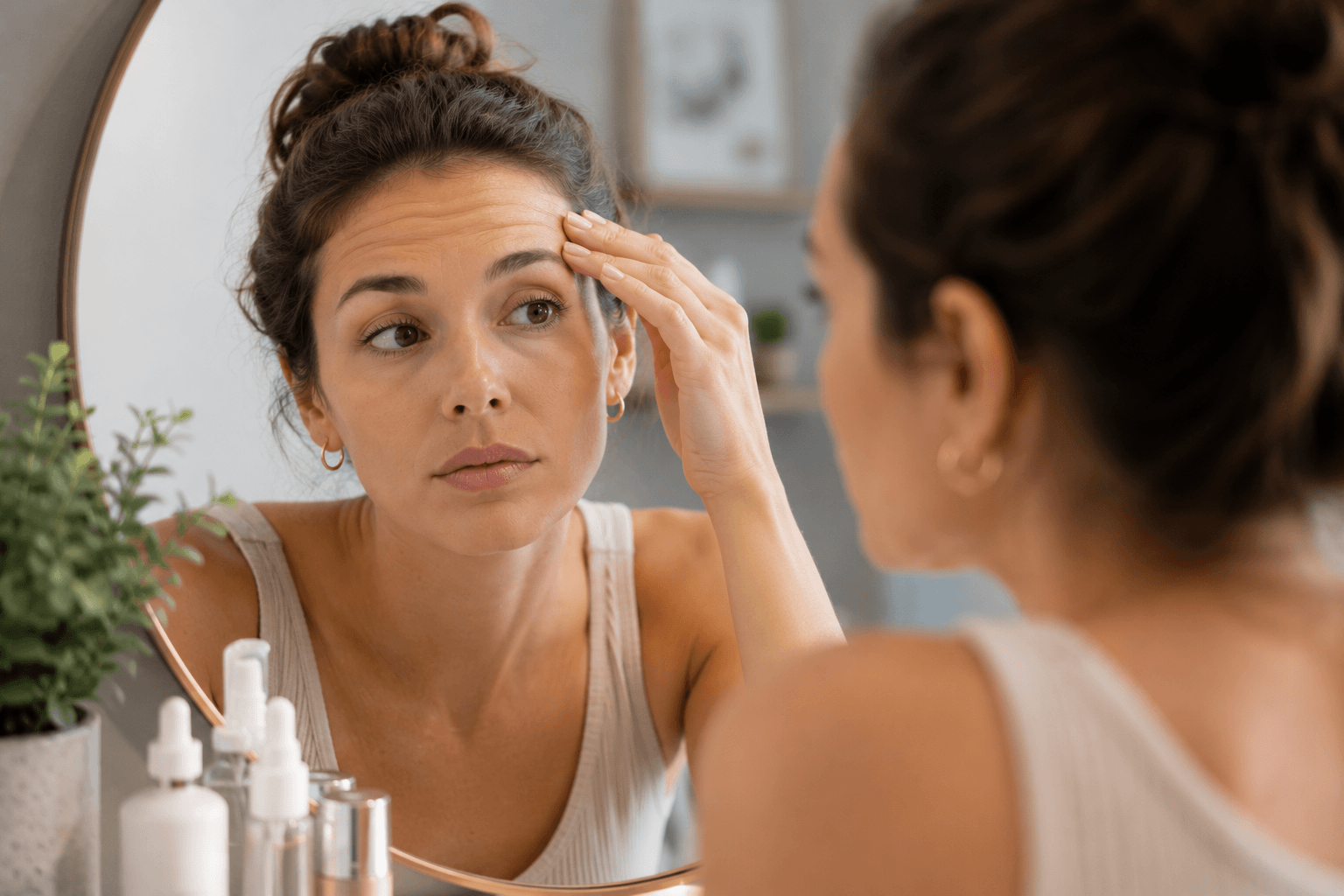
There is a specific moment a lot of patients describe when they first start considering Botox. It is not usually a dramatic wrinkle or a major life event. It is smaller than that. You smile, you stop smiling, and the lines around your eyes stay for just a second too long. Or you notice a slight crease between your brows in a photo, even though your face was relaxed.
That in between phase, where lines are starting to form but have not become deeply set, is exactly when a lot of people start asking the same question. Is it too early for Botox? Or have I already waited too long?
The truth is there is no single right age to start, but understanding what causes these early lines, and how neurotoxin treatments actually work, makes that decision a lot easier.
What Causes Fine Lines to Form in the First Place?
Fine lines that appear during expression, often called dynamic wrinkles, form because of repeated muscle movement. Every time you frown, squint, or raise your eyebrows, the muscles beneath your skin contract, creating a crease. In your twenties and early thirties, skin typically has enough elasticity to bounce back smoothly after each movement.
Over time, two things start to change. Collagen production naturally slows, which reduces the skin's ability to recover quickly, and repeated movement in the same areas, especially the forehead, between the brows, and around the eyes, gradually etches those creases in more permanently. What used to disappear the moment your expression relaxed starts to linger a little longer each time.
Common Early Signs Patients Notice
Patients often describe this stage using very specific, relatable observations. Lines between the brows that appear even when not frowning, crow's feet that show up in photos even with a neutral expression, or a slight heaviness forming above the eyes are some of the most frequently mentioned concerns.
Is There a "Right" Age to Start Botox?
This is one of the most common questions providers hear, and the honest answer is that it depends more on your skin's behavior than your age. Some patients in their late twenties already notice dynamic lines becoming more persistent, often due to genetics, sun exposure, or particularly expressive facial habits. Others do not notice meaningful changes until their forties.
The Case for Preventative Botox
Many providers now recommend a preventative approach for patients who are starting to notice early dynamic lines, even if those lines are not yet visible at rest. The idea behind this approach is straightforward. By gently relaxing the muscles responsible for repeated movement before deep creases form, it becomes easier to prevent those lines from becoming permanently etched into the skin over time.
The Case for Starting Later
There is nothing wrong with waiting, either. Botox does not lose effectiveness with age, and plenty of patients successfully begin treatment later in life with excellent results. The right time to start is ultimately whenever your own concerns begin to affect your confidence or how you feel in photos, not a specific number on a calendar.
How Does Botox Actually Work?
Neurotoxin injections work by temporarily blocking nerve signals to targeted muscles, which reduces the repeated movement responsible for dynamic wrinkles. Because the surrounding muscles remain unaffected, the goal is a natural, relaxed appearance rather than a frozen one.
Treatment is typically focused on three main areas, the forehead, the space between the brows often called the elevens, and the crow's feet around the eyes. Some patients also use neurotoxin treatment for a subtle brow lift, or in combination with a lip flip for a softer upper lip appearance without added volume.
What Should You Expect During Your First Botox Appointment?
A proper consultation should start with a conversation about your facial movement patterns and goals, not just a quick injection. Your provider will evaluate how your muscles move when you make different expressions, then map out precise injection points designed to soften targeted areas while preserving natural movement elsewhere.
The treatment itself is quick, often completed within fifteen to twenty minutes, with minimal discomfort. Most patients return to their normal activities immediately afterward.
How Soon Will You See Results?
Results typically begin appearing within three to five days, with full effects visible around the two week mark. This gradual onset is normal and expected, so patience during this initial window matters.
How Long Do Results Last?
Most patients find that results last between three and four months, though this can vary based on individual metabolism and muscle activity. Many patients choose to schedule maintenance appointments before lines fully return, which tends to preserve smoother, more consistent results over time.
What About Combining Botox With Other Treatments?
For patients dealing with both dynamic wrinkles and volume loss, combining neurotoxin treatment with dermal fillers often produces more comprehensive results. This kind of combined approach is a core part of facial balancing, which considers the face as a whole rather than treating a single concern in isolation. Patients interested in this more holistic approach may benefit from a broader consultation covering multiple treatment options at once.
Are There Risks or Side Effects to Be Aware Of?
Like any injectable treatment, Botox carries some risk of mild, temporary side effects, including minor bruising, redness, or slight swelling at the injection site. Serious complications are rare when treatment is performed by a properly trained, licensed provider. This is exactly why choosing an experienced injector, ideally one working under medical oversight, matters so much.
Why Reston Patients Trust Aesthetic Chemistry for Botox
At Aesthetic Chemistry, neurotoxin treatments are performed by trained, licensed injectors under the oversight of board certified plastic surgeon Dr. Navin Singh. This level of medical expertise means treatment plans are customized to your unique facial anatomy and movement patterns, rather than following a generic formula.
Whether you are exploring Botox for the first time or looking to refine results from previous treatment elsewhere, a personalized consultation is the best way to determine the right approach for your goals.
Frequently Asked Questions
At what age should I start getting Botox? There is no universal age. Some patients begin in their late twenties as a preventative measure, while others start later once dynamic wrinkles become more noticeable. The right time depends on your individual skin and concerns.
Does Botox make your face look frozen? When administered properly by an experienced injector, Botox should soften targeted lines while preserving natural movement and expression elsewhere on the face.
How long does Botox last? Most patients see results lasting three to four months before a touch up is needed to maintain smoother skin.
Can Botox prevent wrinkles from forming? Yes. Preventative Botox is commonly used to relax muscles responsible for repeated movement before deep, permanent creases develop.
Is Botox safe? When performed by a licensed, experienced provider, Botox is considered a safe and well studied treatment with a strong safety record.
Updated August 2026
To find out if Botox is right for you, schedule a consultation with Aesthetic Chemistry Medspa or learn more about our neurotoxin treatments.
Not Quite Final Thoughts, More Like Early Prevention
The best time to address fine lines is usually earlier than most people expect, but there is no wrong time to start either. Whatever stage you are at, understanding your own skin is what makes the decision feel less like guesswork.